Most car scams follow a handful of scripts. Once you know them, they're easy to spot, and the fix is almost always the same: don't pay for a car you haven't seen, and don't pay anyone you haven't met.
The price that's too good
A clean, low-mileage car at two-thirds of what every other one costs is the bait. The story that follows explains why it's cheap: a divorce, a deployment, a move abroad, a death in the family. The story is there to make you hurry.
The deposit to hold it
"Three other people want it, send $500 to hold it and I'll take it off the market." A real seller will take the first person who shows up with the money. A scammer wants the deposit and disappears.
The same goes for gift cards, Zelle, Venmo, Cash App, crypto or a wire "to prove you're serious". None of those can be reversed, which is exactly why they're asked for.
Shipping, escrow and the seller who can't meet
The seller is overseas, on a base, or working an oil rig, so the car is "with a shipping company" that will deliver it with a five-day return window once you pay. The shipping or escrow company is a website the scammer built last week.
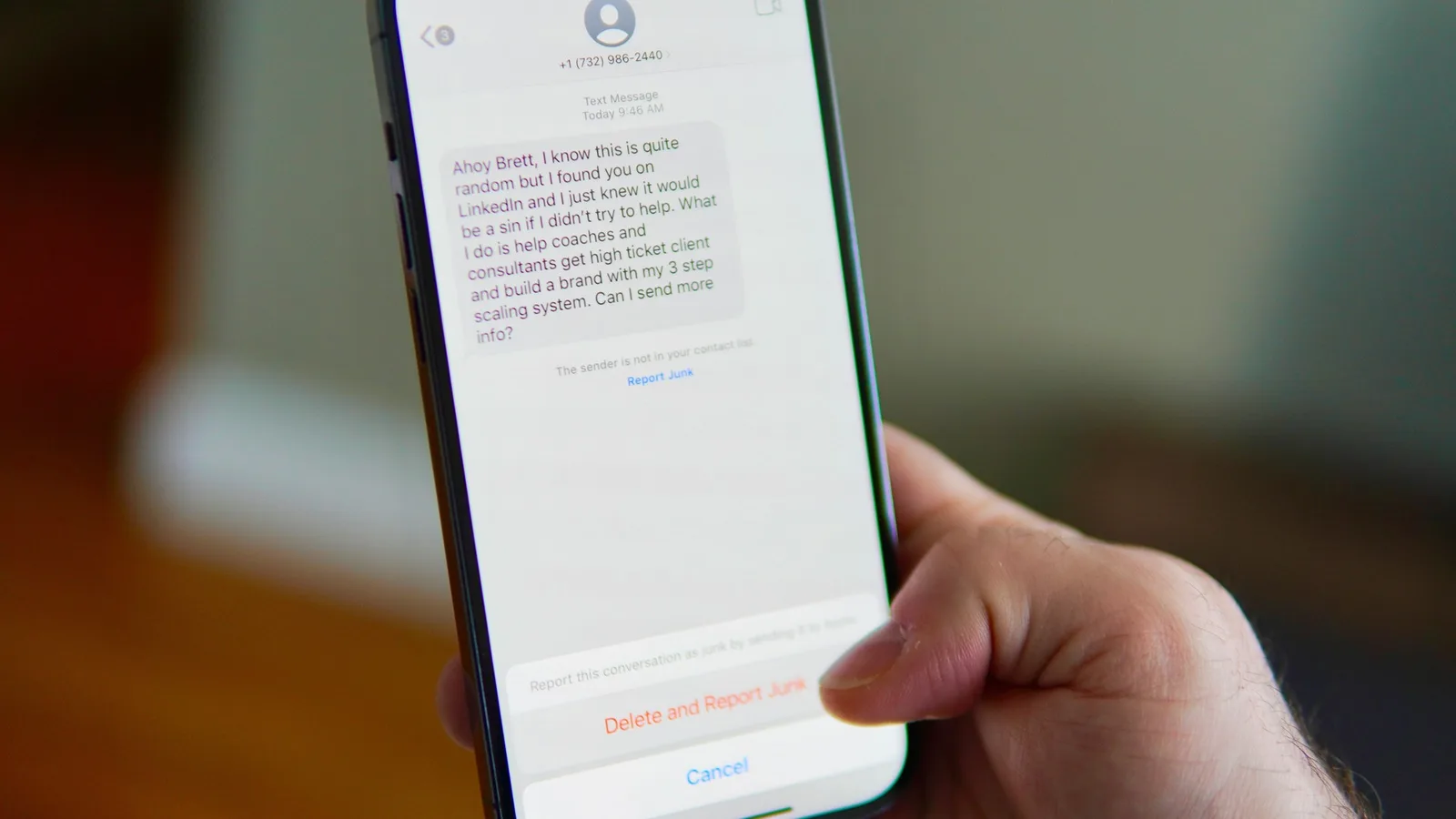
The verification code trick
"I've had fake buyers, can you prove you're real? I'll text you a code, just read it back to me." That code is from Google, your bank or a phone company, sent to your number. Reading it back hands the scammer an account in your name.
No real seller needs a code from you. OnlyCars never asks for one in a chat either.
Title and paperwork red flags
The name on the title isn't the seller's ("I'm selling it for my cousin"), the title is "at the bank" or "in the mail", the VIN on the paperwork doesn't match the dashboard, or the seller won't let you run the VIN. Each of these can be innocent; together they aren't.
The rules that stop almost every scam
0 of 6 ready
General information, not legal advice. If you've been scammed, report it to your local police and to the FTC at reportfraud.ftc.gov.
 Buying
 Buying
 Selling